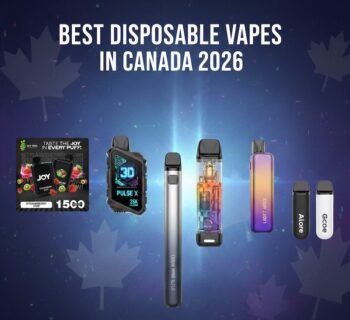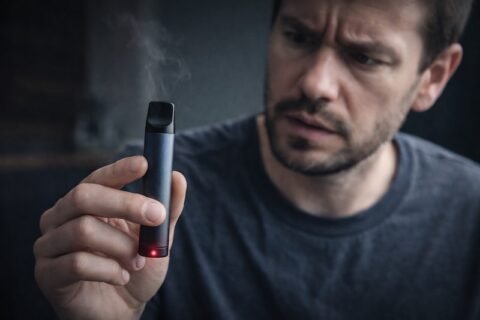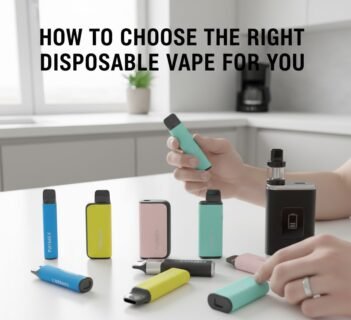

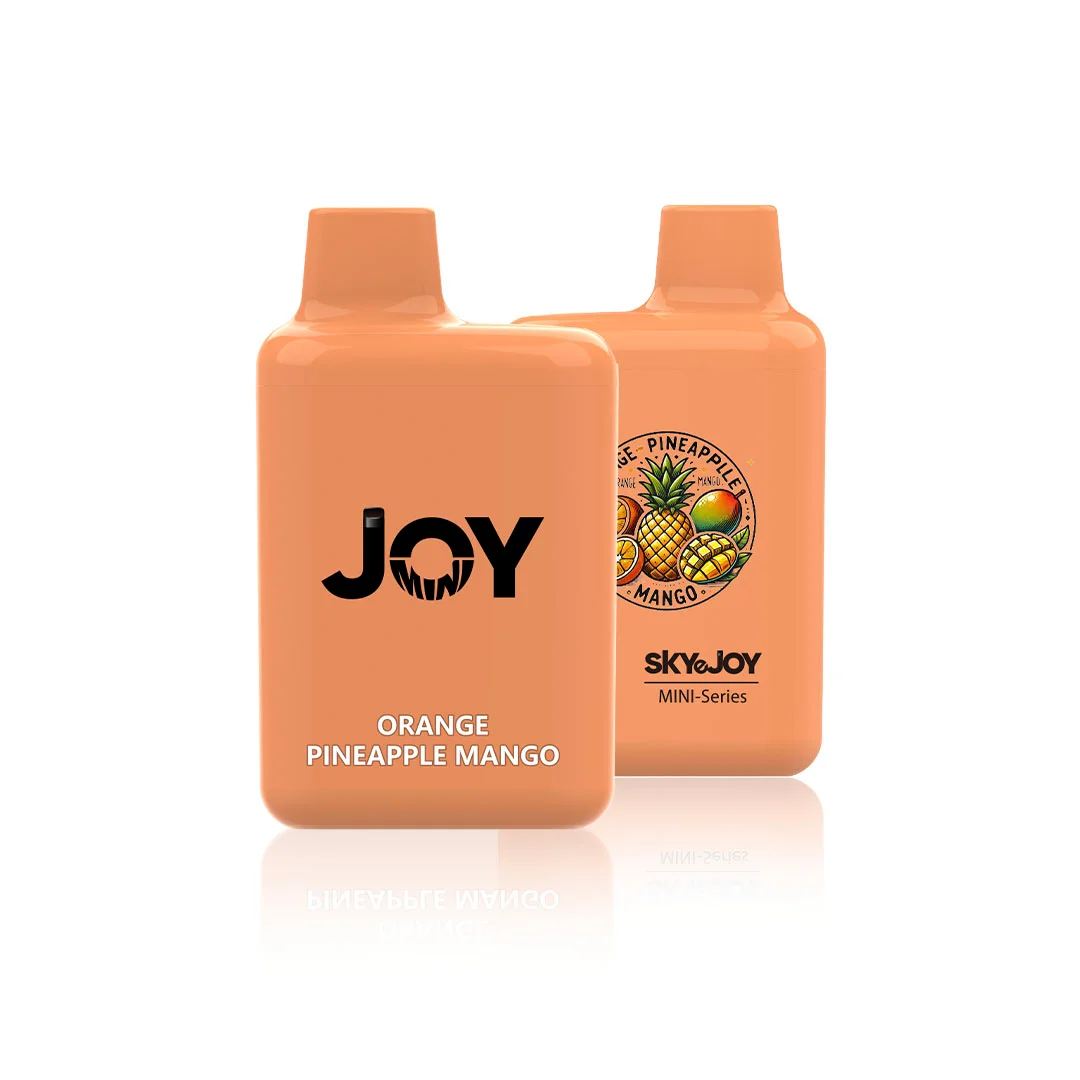
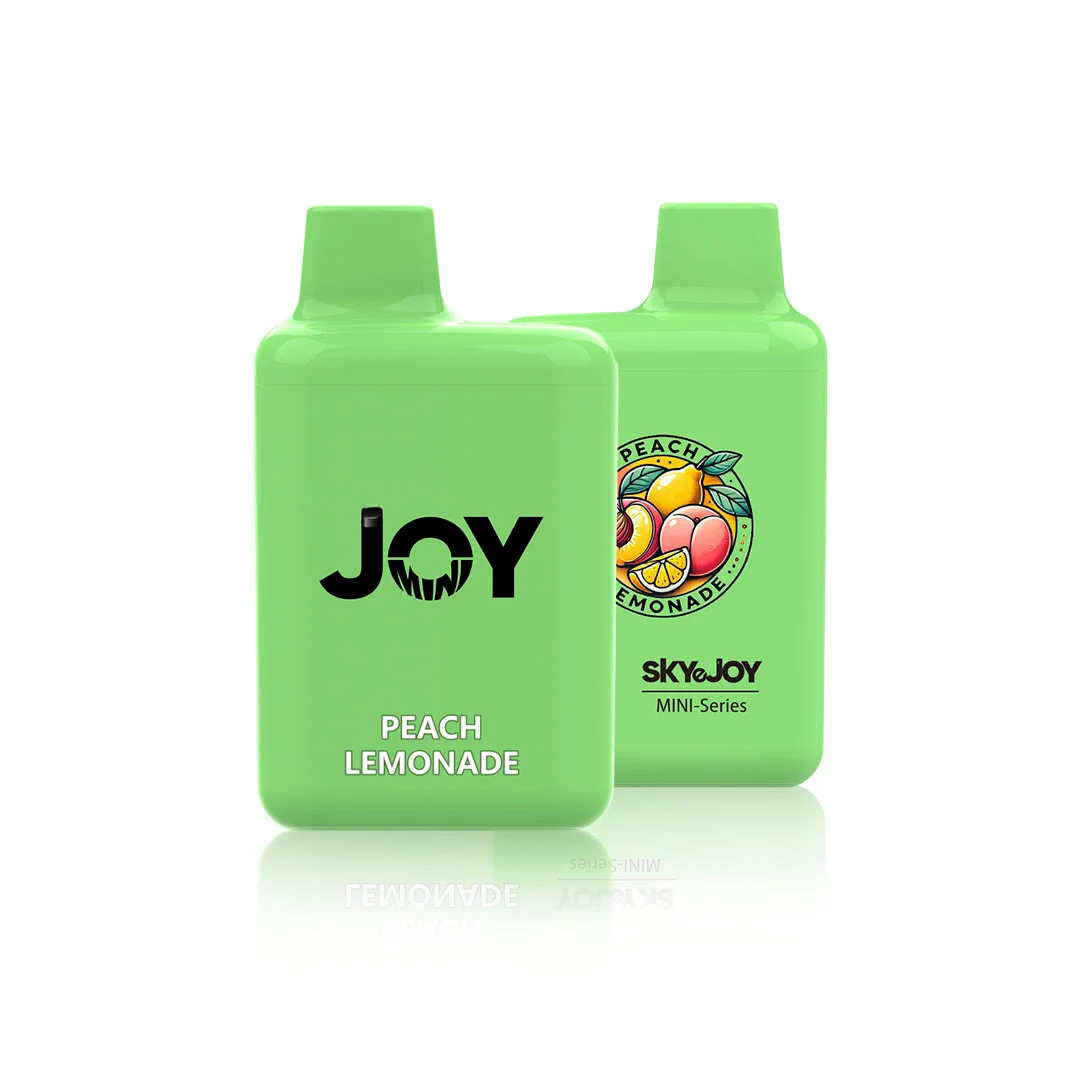
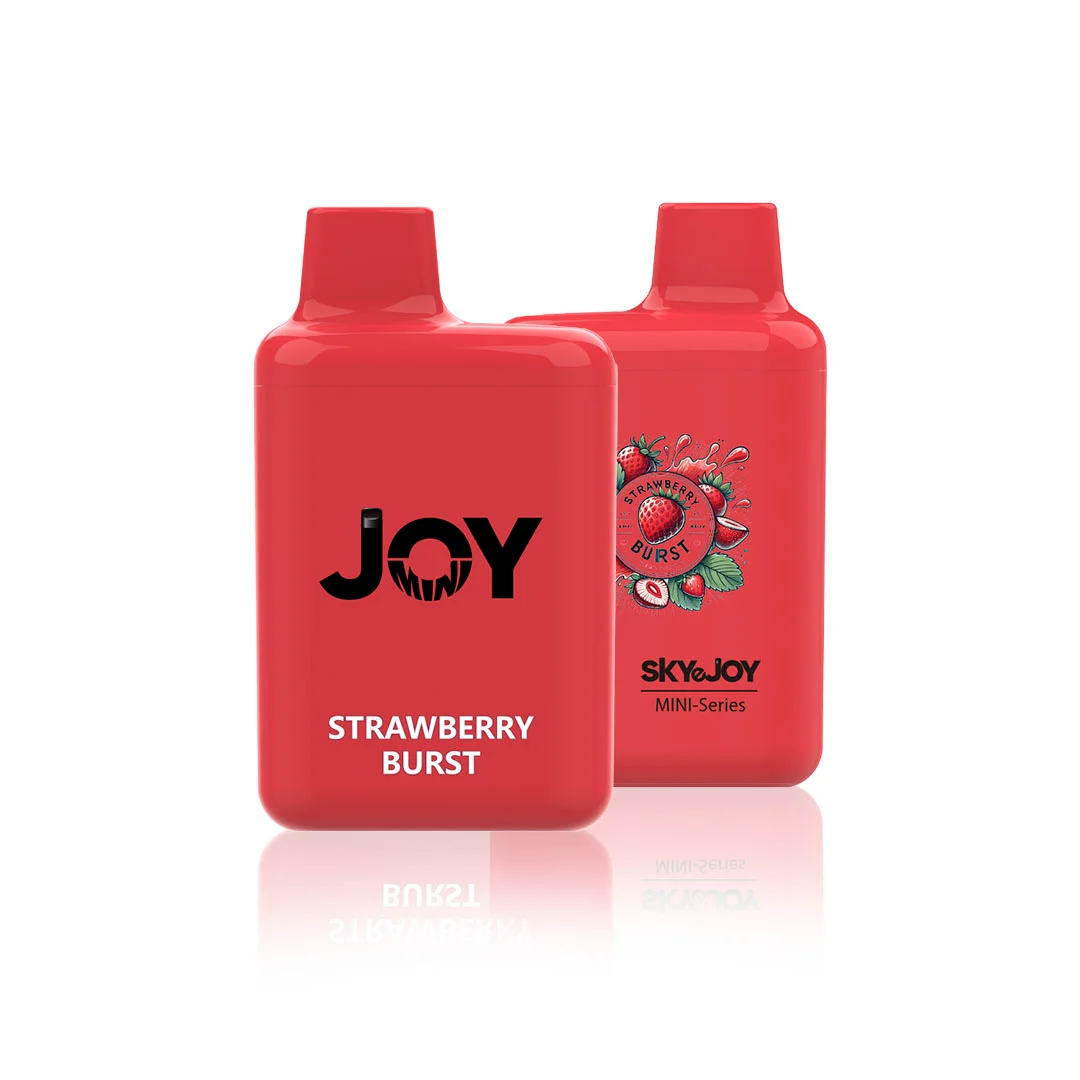
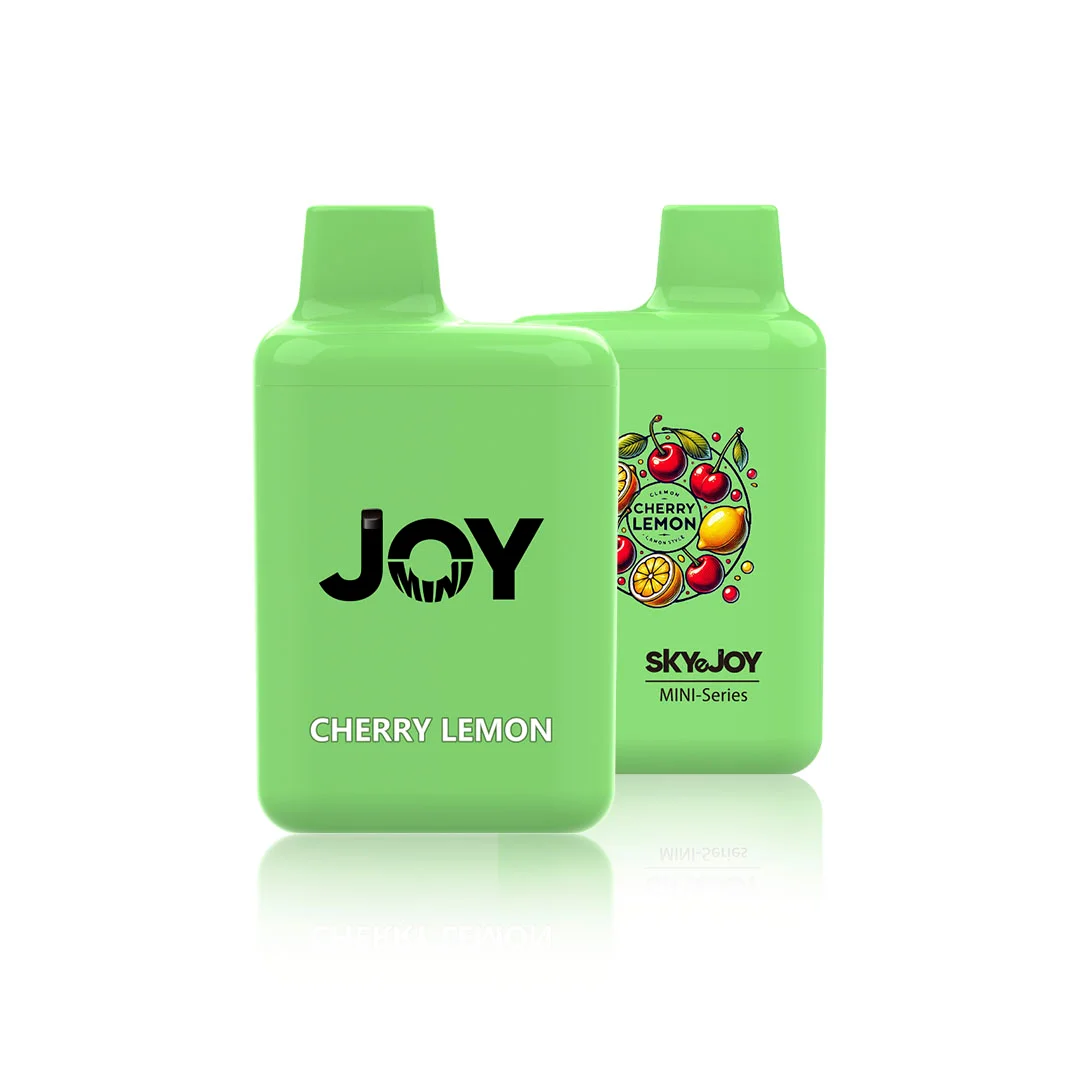
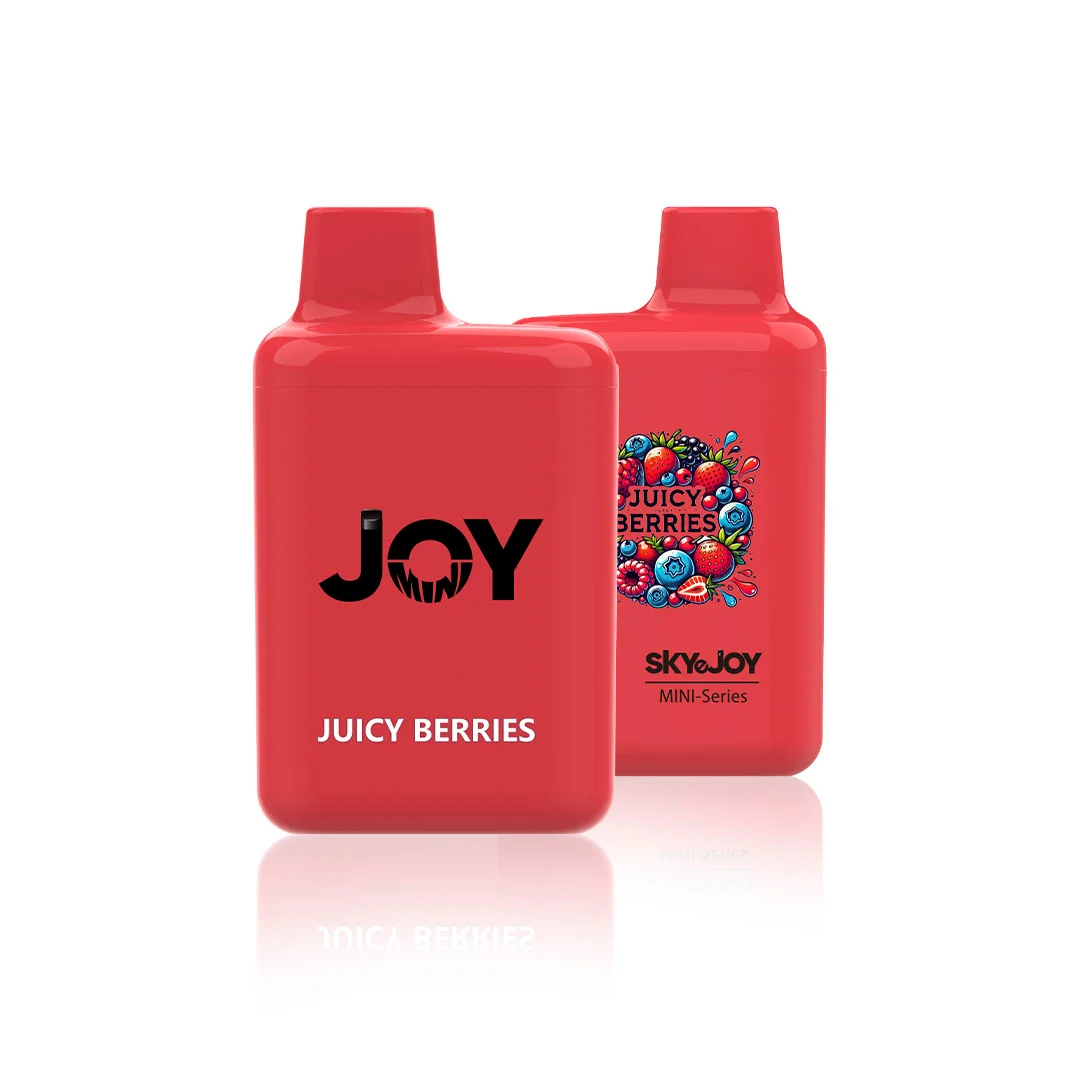
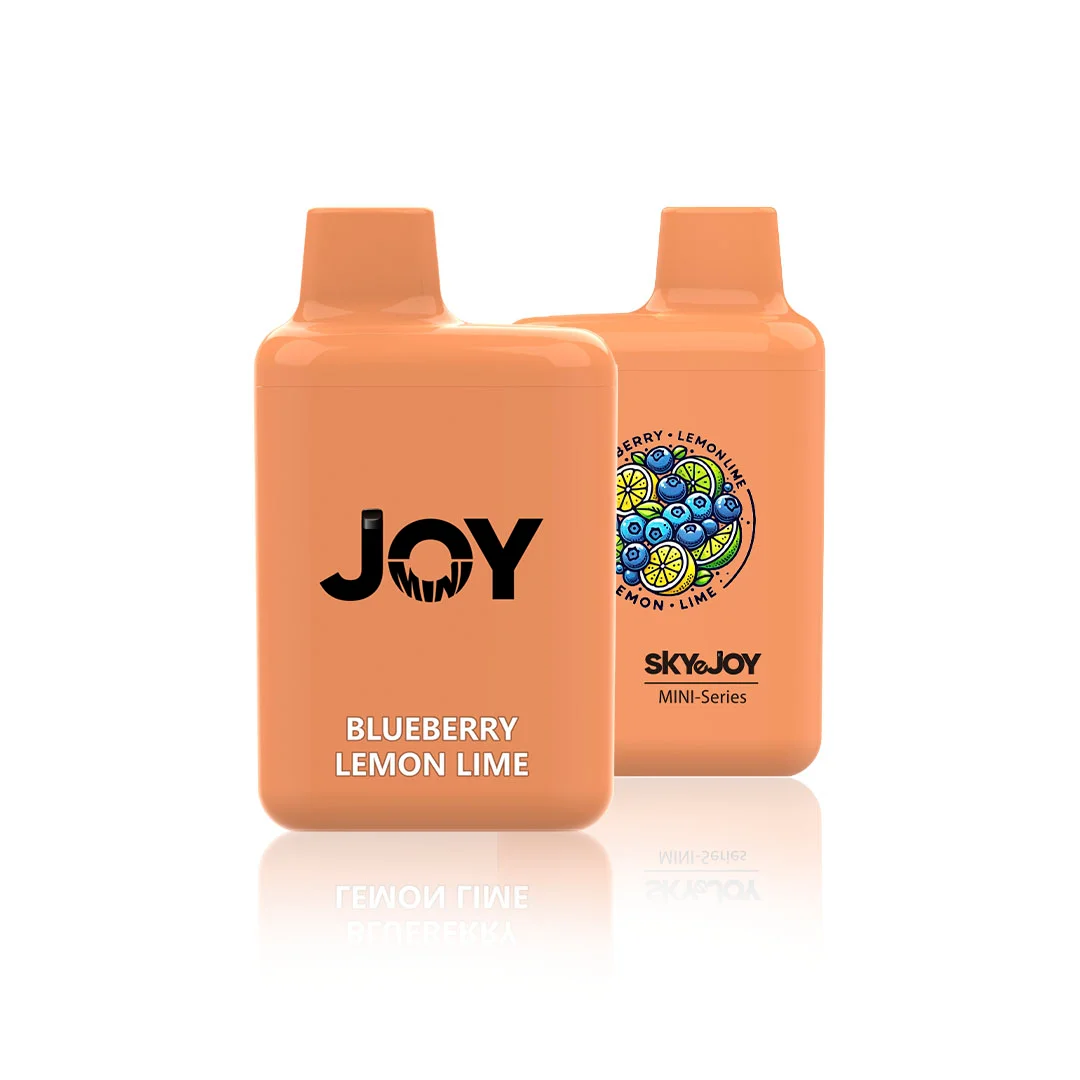

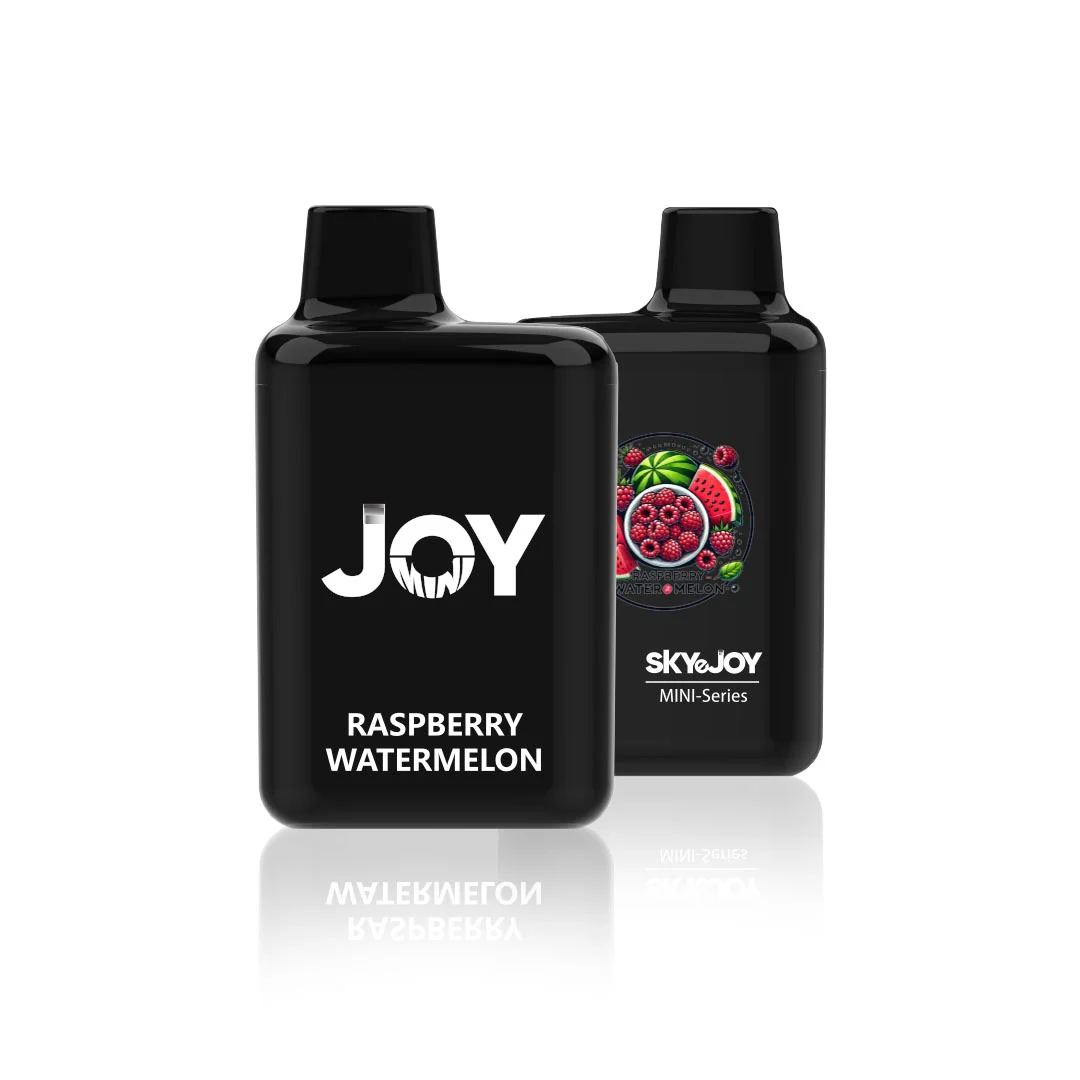

Disposable vapes are surging in popularity across Canada, largely because of their extreme convenience, portability, and wide variety of flavours. These maintenance free, pre filled devices appeal to people who want something simple, something that just works. No refilling. No charging cables. No replacing coils. Just open the package and inhale.
As of 2023, disposable vapes became the dominant vaping product in Canada, with 58.5 percent of users reporting them as their most often used device. That number alone says a lot. And yet, statistics do not fully explain the shift. There is something cultural happening here too, something subtle but powerful.
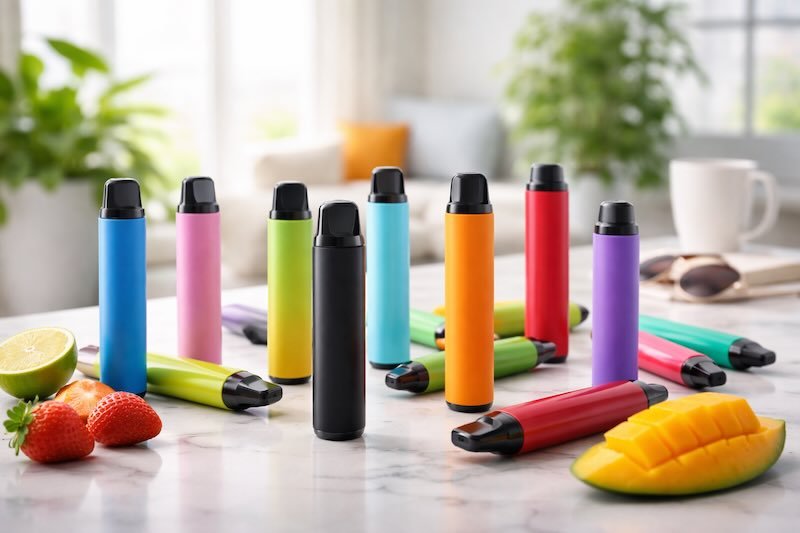
If you walk into almost any convenience store in a major Canadian city, you will see them displayed prominently. Bright colors. Compact designs. Sleek packaging. They feel accessible. And perhaps that accessibility is the real story.
In this article, we will explore why disposable vapes are booming in Canada, how they compare to traditional vaping devices, what market data suggests about their growth, and what concerns have emerged alongside their popularity. We will also look at how brands like JoyMini are positioned within this evolving market.
Understanding Disposable Vapes
At their core, disposable vapes are single use, pre filled electronic vaping devices. They contain:
A built in battery
A pre filled e liquid cartridge
An integrated coil
No buttons in most cases, draw activated
Once the e liquid is depleted or the battery dies, the device is discarded. There is no maintenance cycle. No component replacement. That simplicity, I think, is the defining feature.
Traditional vaping systems, such as refillable pod systems or box mods, require some level of technical understanding. You need to buy e liquid separately. Replace coils. Monitor battery levels. For experienced users, this is normal. Even enjoyable. For beginners, though, it can feel overwhelming.
Disposable vapes remove that friction entirely.
Key Factors Behind the Rise of Disposable Vapes in Canada
1. Ultimate Convenience and Portability
Let’s start with what most users mention first, convenience.
Disposable vapes are ready to use straight out of the box. There is no setup process. No priming coils. No adjusting wattage. You inhale, and it works. That is it.
They are compact and lightweight, designed to fit easily into a pocket or purse. For people who commute, travel, or simply do not want to carry bulky devices, this matters. I have spoken with users who say they switched simply because they were tired of charging cables and leaking pods.
There is also the psychological appeal of simplicity. In a world already full of devices that require updates, settings, and troubleshooting, something that just works can feel refreshing.
For those exploring options, the disposable vape collection at JoyMini reflects this demand for compact, easy to use products designed for everyday portability.
2. Wide Flavour Variety
Flavours play a significant role in the rise of disposable vapes. Perhaps more than we admit.
The range is extensive. Fruity blends. Icy menthol profiles. Dessert inspired combinations. Beverage inspired notes. Some are subtle. Others are bold, almost candy like.
For new users, especially those transitioning from cigarettes, flavour variety can make the experience more appealing. Traditional tobacco flavours are available, yes, but many people gravitate toward fruit or mint profiles.
It is interesting because flavour is not just about taste. It is about identity. Choosing a flavour feels personal. It becomes part of someone’s routine, even their aesthetic. That may sound exaggerated, but social media trends suggest otherwise.
JoyMini offers a curated selection of flavour profiles tailored to Canadian preferences, available through their official website. The diversity allows users to experiment without committing to a large bottle of e liquid.
3. Affordability and Low Entry Cost
Disposable vapes typically have a lower upfront cost compared to full vaping setups. A beginner does not need to invest in a device, charger, replacement coils, and separate e liquids.
They can purchase a single disposable device and try vaping without long term commitment.
From a behavioral perspective, this lowers the barrier to entry. And when barriers decrease, adoption tends to increase.
Below is a comparison between disposable vapes and traditional refillable devices:
| Feature | Disposable Vapes | Refillable Vape Devices |
|---|---|---|
| Initial Cost | Low | Moderate to High |
| Maintenance | None | Requires coil changes and refilling |
| Ease of Use | Very Easy | Learning curve |
| Portability | Compact and lightweight | Varies by device size |
| Long Term Cost | Higher over time | Lower over time |
Interestingly, while disposable vapes are cheaper initially, frequent use may result in higher long term spending compared to refillable systems. Some users eventually transition back to reusable devices for cost efficiency. Others do not. It depends on priorities.
4. High Nicotine Satisfaction
Many disposable vapes use nicotine salts, which provide a smoother throat hit at higher nicotine strengths. This closely mimics the sensation of smoking traditional cigarettes.
For smokers attempting to switch, this can be critical. The faster nicotine absorption and reduced harshness make the transition feel less abrupt.
There is something pragmatic here. People are not necessarily looking for a hobby. They are looking for nicotine satisfaction without combustion. Disposable vapes deliver that in a straightforward way.
JoyMini’s devices are designed to provide consistent nicotine delivery while maintaining flavour clarity, a balance that experienced users tend to appreciate.
5. Youth Appeal and Design Aesthetics
This is where the conversation becomes more complicated.
Disposable vapes often feature sleek, colorful designs. They are visually appealing. Compact. Modern. In some ways, they resemble tech accessories rather than nicotine delivery devices.
This aesthetic appeal has contributed to increased adoption among younger demographics in Canada. Social media platforms have amplified the visibility of vaping culture. Influencers, lifestyle content, product unboxings, all of it contributes to normalization.
At the same time, regulatory scrutiny has increased. Health authorities have raised concerns about youth access and marketing practices. There is an ongoing tension between consumer demand and public health considerations.
It is not a simple narrative. Popularity does not exist in a vacuum.
Market Trends and Data Insights
According to national survey data from 2023, disposable vapes accounted for 58.5 percent of the most often used vaping devices among Canadian users. That makes them the dominant category.
Several factors contribute to this market dominance:
Retail availability in convenience stores
Competitive pricing
Flavour innovation
Social normalization
There is also the broader trend of micro convenience. Consumers increasingly favor products that eliminate friction. Meal kits. Streaming services. Ride sharing. Disposable vapes fit into that pattern.
If you analyze Google search trends for terms such as “disposable vapes Canada” or “best disposable vape,” you will see sustained growth over the past few years. The search intent often includes phrases like:
Long lasting disposable vape
High puff count vape
Nicotine salt disposable
Environmental and Regulatory Concerns
Of course, not all conversations about disposable vapes are positive.
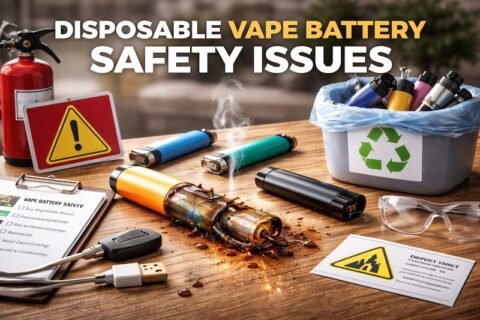
One major concern involves environmental waste. These devices contain plastic components and lithium batteries, yet they are designed for single use. Improper disposal contributes to electronic waste.
Some provinces in Canada are exploring stricter regulations around vaping products, including flavour restrictions and packaging requirements. Discussions around recycling programs for vape batteries are ongoing, though implementation remains inconsistent.
There is also growing debate about youth vaping rates. Public health agencies argue that flavour variety and appealing design increase experimentation among minors.
Yet, adult users often defend disposable vapes as harm reduction tools, particularly for those transitioning from combustible tobacco.
The issue, perhaps, is not the device itself but how it is marketed, sold, and regulated.
Consumer Behavior in Canada: What Is Driving Repeat Purchases?
There is an interesting pattern in how Canadians are buying disposable vapes. It is not just experimentation anymore. It is routine.
At first, many users try disposables out of curiosity. Maybe they were smokers looking for an alternative. Maybe a friend recommended one. Maybe they saw them everywhere and thought, why not. The first purchase feels temporary.
Then it becomes habitual.
Convenience plays a role again, but so does predictability. Disposable vapes deliver consistent output from the first puff to the last. There is no performance drop from a poorly replaced coil. No burnt taste from incorrect wattage settings. That reliability builds trust.
I have noticed something else too. People often keep a disposable as a backup device, even if they own a refillable system. It becomes their travel vape, their emergency vape, their device for nights out. Eventually, for some, it replaces everything else.
The repeat purchase cycle is short. Depending on puff count and usage frequency, a device may last anywhere from a few days to over a week. That means ongoing demand.
Puff Count and Performance: What Users Actually Care About
When disposable vapes first entered the market, puff counts were modest. A few hundred puffs. Enough for light use.
Today, devices advertise thousands of puffs. The number has become a competitive differentiator.
But puff count is not everything. Users also evaluate:
Battery consistency
Flavour retention over time
Draw resistance
Device size relative to capacity
There is a slight contradiction here. Many people want a compact device, but they also want a high puff count. Increasing capacity often increases size. Manufacturers walk a fine line between portability and longevity.
Below is a simplified comparison of puff count tiers and user suitability:
| Puff Count Range | Typical User Type | Pros | Considerations |
|---|---|---|---|
| 600 to 1500 | Light or occasional users | Small size, low cost | Shorter lifespan |
| 2000 to 5000 | Moderate daily users | Balanced portability and longevity | Mid range price |
| 6000+ | Heavy users | Extended use, fewer repurchases | Larger size |
JoyMini’s product lineup focuses on delivering strong flavour consistency and optimized puff capacity, rather than simply chasing inflated numbers. There is a difference between theoretical puff count and real world performance. Users notice that.
Regulatory Landscape in Canada
The regulatory environment in Canada is evolving. And quickly.
Federal and provincial authorities have implemented rules regarding nicotine concentration limits, packaging requirements, and marketing restrictions. Some provinces have restricted flavour sales to specialty vape shops only. Others have introduced plain packaging requirements.
This creates an interesting dynamic.
On one hand, stricter regulations may reduce youth access and improve product transparency. On the other hand, excessive restriction can push consumers toward unregulated markets.
Retailers and manufacturers must navigate:
Health Canada compliance standards
Provincial flavour regulations
Advertising restrictions
Age verification enforcement
Environmental Concerns and Sustainability Discussions
This topic feels unavoidable.
Disposable vapes generate waste. Plastic shells, lithium batteries, metal components. When improperly discarded, they contribute to electronic waste.
Some consumers express guilt about this. Others view it as comparable to other single use consumer electronics. The debate is ongoing.
There are emerging discussions around:
Battery recycling programs
Device take back initiatives
Sustainable material innovations
Currently, infrastructure for vape recycling in Canada remains inconsistent. That gap creates tension between convenience and sustainability.
Social Media Influence and Cultural Normalization
It would be incomplete to ignore the role of social media.
Platforms such as Instagram and TikTok have normalized vaping aesthetics. Clean device shots. Flavor reviews. Lifestyle integration.
Gen Z, in particular, engages with products visually. Disposable vapes, with their bright designs and compact form, fit naturally into this content style.
There is a feedback loop here:
Visibility increases curiosity.
Curiosity drives trial.
Trial leads to normalization.
Yet, social media influence also attracts regulatory scrutiny. Advertising to minors is heavily restricted. Responsible marketing practices are not just ethical, they are essential for long term brand sustainability.
Why Disposable Vapes Became Dominant in 2023
Let us return to the statistic: 58.5 percent of Canadian users reported disposable vapes as their most often used device in 2023.
Why 2023 specifically?
Several converging factors likely contributed:
Post pandemic retail normalization increased in store visibility.
Improved device technology delivered better battery life and flavour consistency.
Expanded flavour portfolios attracted broader audiences.
Economic pressures made lower upfront cost devices appealing.
There was also consumer fatigue with complexity. Perhaps that is speculative. But many users expressed preference for simplicity after years of using customizable systems.
Disposable vapes represent a streamlined evolution of vaping technology. Not necessarily more advanced, but more frictionless.
The Future of Disposable Vapes in Canada, Where Is This Headed?
If you zoom out for a moment, the rise of disposable vapes feels like part of a broader consumer pattern. People gravitate toward simplicity. Toward frictionless experiences. Toward products that remove steps.
But nothing stays static.
Disposable vapes in Canada are entering a more mature phase. Growth is still strong, yes. Yet the conversation is shifting from novelty to sustainability, compliance, and product refinement.
I suspect we will see several developments over the next few years:
Smarter battery optimization for longer lasting devices without increasing size
Improved flavour stability from first puff to last
Stronger retail compliance and age verification protocols
Greater pressure for responsible disposal solutions
There is also a quiet movement toward hybrid models. Some devices look disposable but offer limited recharge functionality to extend lifespan. It is almost an acknowledgment that consumers want longevity without complexity.
Whether that remains classified as disposable is debatable. The lines blur.
How Disposable Vapes Compare to Traditional Smoking
This comparison comes up frequently, and often emotionally.
Many adult users adopt disposable vapes as an alternative to combustible cigarettes. The appeal is practical. No ash. No lingering smoke smell. No open flame.
But it is not purely functional. It is sensory.
Disposable vapes using nicotine salts replicate the throat hit that smokers are accustomed to, but often in a smoother format. That smoothness can make the transition easier.
Here is a simplified comparison for educational purposes:
| Factor | Disposable Vape | Traditional Cigarettes |
|---|---|---|
| Combustion | No combustion | Yes, tobacco burning |
| Odor | Minimal vapor scent | Persistent smoke odor |
| Nicotine Delivery | Nicotine salt based, smoother hit | Freebase nicotine via smoke |
| Maintenance | None | None |
It is important to frame this responsibly. Disposable vapes are not risk free. They are often positioned within harm reduction discussions, not as harmless products.
Still, many adult Canadians report that switching to vaping feels cleaner and more manageable than smoking. That lived experience is a significant driver of adoption.
FAQ
Why are disposable vapes so popular in Canada?
Disposable vapes are popular because they offer convenience, portability, wide flavour variety, and low upfront cost. They require no maintenance and are ready to use out of the box.
How long does a disposable vape last?
It depends on puff count and usage frequency. Light users may extend a device over several days, while heavy users may finish it sooner. High puff count models can last significantly longer.
Are disposable vapes legal in Canada?
Yes, they are legal but regulated. Federal and provincial laws govern nicotine limits, packaging, marketing, and flavour restrictions.
Are disposable vapes more affordable than reusable devices?
Initially, yes. The upfront cost is lower. However, over time, repeated purchases may exceed the cost of refillable systems.
Can disposable vapes help smokers switch?
Many adult smokers report that nicotine salt based disposable vapes provide a smoother throat hit similar to cigarettes, making the transition easier. However, individual experiences vary.